

25 November 2026 – 2 January 2027 | Kolkata & Santiniketan
Kolkata gives you plenty of reasons to visit. Its grand colonial architecture and historic landmarks tell one story of the city; its food, from legendary street-side favourites to long-standing institutions, tells another. Walk through its neighbourhoods and you’ll find yet more layers—in literature, music, theatre, art and everyday life.
The Bengal Biennale offers a new way to move through some of these layers. Rather than being confined to a single exhibition venue, the Biennale brings contemporary art into museums, galleries, heritage buildings and other spaces across Kolkata and Santiniketan. The places themselves become part of the experience, inviting visitors to look at familiar parts of Bengal through a different lens.
Following its inaugural edition in 2024-25, the Bengal Biennale returns for its second edition from 25 November 2026 to 2 January 2027, bringing together more than 100 artists, performers and curators across nearly 20 institutional venues.
If you’re travelling to Kolkata during this period, or planning a trip specifically to attend the Bengal Biennale, there’s more to consider than simply which exhibitions to see. Which venues should you prioritise? What can you explore around them? How much time should you set aside for Kolkata, and should you extend your trip to Santiniketan? This guide brings together the Biennale and the city around it, helping you plan a richer experience of both.
Bengal Biennale 2026 at a Glance
Santiniketan exhibitions begin
25 November 2026
Kolkata exhibitions begin
28 November 2026
2026–27 Theme
Banalata – Entangled & Indestructible
Two Cities, One Biennale
The Bengal Biennale is spread across Kolkata and Santiniketan, two places with very different cultural histories and identities. Rather than bringing everything together under one roof, the Biennale uses the cities themselves as part of the experience.
In Kolkata, exhibitions take over museums, galleries, heritage buildings and other urban spaces, placing contemporary art within the city’s historic and everyday landscape. Santiniketan, with its deep connection to modernist art and artistic experimentation, offers a very different setting in which to experience the Biennale.
For visitors, this two-city format means the Biennale can become more than a single-day exhibition visit. It can form the centre of a wider trip through Bengal-one that takes you from Kolkata’s galleries, landmarks and neighbourhoods to Santiniketan’s distinctive artistic landscape.

Kolkata

Santiniketan
A distinctive artistic landscape shaped by its cultural and modernist history.
The 2026–27 Theme: Banalata - Entangled & Indestructible

The second edition takes its inspiration from Banalata-a name familiar to anyone who knows Jibanananda Das’s iconic poem Banalata Sen, while also drawing from the idea of ban-lata, or wild forest vines.
This year’s curatorial thinking looks towards subterranean worlds, buried histories, ecological relationships and networks of kinship.
The idea of being entangled is particularly important. Rather than viewing people, places, histories and ecologies as separate, the Biennale asks us to consider how they are connected-and how those connections can help us resist, survive and create together.
The exhibitions therefore move into spaces that carry their own histories: a former prison, old houses, parks and other cultural and institutional locations across Kolkata and Santiniketan.
Why this matters to a visitor
You don’t necessarily need to know contemporary art to appreciate this Biennale.
In fact, one of the most interesting ways to experience it may be to ask:
“What does this artwork reveal about the place in which it is being shown?”
That question can turn a visit to a museum, heritage building or neighbourhood into a completely different experience.
Meet the Curators
The 2026-27 edition is co-curated by Chander Haat and Ritika Biswas, bringing together two different but complementary perspectives.

Chander Haat
Chander Haat brings a curatorial perspective rooted in contemporary art and the wider cultural landscape of Bengal.
Ritika Biswas
Ritika Biswas brings her own perspective to the edition, contributing to the Biennale’s exploration of place, histories, relationships and contemporary artistic practice.
How to Experience the Bengal Biennale
Don’t try to see everything
With exhibitions spread across Kolkata and Santiniketan, the Biennale is better approached as a series of experiences rather than a checklist of venues.
Start with Kolkata
Kolkata’s edition begins on 28 November 2026. Instead of moving randomly between venues, plan your visit geographically. Group exhibitions and cultural attractions that are close to one another, giving yourself enough time to actually experience each space rather than rushing from one venue to the next.
A Day Exploring Kolkata Through Art
Morning: Begin with a Biennale exhibition or venue.
Afternoon: Continue to another nearby venue, allowing time to explore the surrounding area rather than rushing between exhibitions.
Evening: Slow down and explore the neighbourhood around where you’re staying. If you’re based in South Kolkata, this could mean discovering the restaurants and cafés around Sarat Bose Road and nearby areas, or simply returning to your hotel for dinner after a full day of exploring.
The idea isn’t to see as much as possible. It’s to give yourself enough time to experience the exhibitions, the spaces they occupy and the city around them.
What About Santiniketan?
The Bengal Biennale is unusual because it doesn’t stop at Kolkata.
The Santiniketan edition opens earlier, on 25 November 2026, and continues until 2 January 2027.
For visitors with additional time, Santiniketan can become a separate part of the Biennale experience. Rather than treating it as an extension to squeeze into a few hours, consider giving yourself a full day-or longer-to experience the Biennale alongside Santiniketan’s distinctive artistic landscape.
This also means that a visitor planning a Biennale trip needs to decide early:
‘Do I want to experience the Kolkata programme, or do I want to follow the Biennale across both of its centres?’
Plan Your Bengal Biennale Visit
The right length of your trip depends on how much of the Biennale you want to experience—and whether you plan to include Santiniketan.
If You Have One Day
If you’re already in Kolkata or have limited time, focus on the Kolkata Biennale venues and group your visits geographically.
Morning: Start with a Biennale exhibition.
Afternoon: Continue to another nearby venue, allowing time to explore the surrounding area rather than rushing between exhibitions.
Evening: Wind down close to your base after a full day of exploring.
If You Have Two Days
Two days give you more time to experience the Kolkata programme without turning the Biennale into a checklist.
Day 1 – Discover Kolkata Through Art: Focus on one cluster of Biennale venues and combine them with nearby museums, galleries or heritage attractions.
Day 2 – Go Deeper: Explore another group of Biennale venues, then look out for talks, performances or other events taking place as part of the programme.
If You Have Three Days or More
If you’re travelling specifically for the Biennale, consider extending your trip to Santiniketan, where the programme begins on 25 November, three days before the Kolkata exhibitions open.
Use your Kolkata days to explore the city’s Biennale venues, then set aside a day or more for Santiniketan and its artistic landscape.
Make The Samilton Your Base
If you’re spending several days exploring the Biennale, where you stay can make a difference to how easily you move between exhibitions and how much of Kolkata you can experience around them.
Located on Sarat Bose Road, The Samilton offers a base in South Kolkata from which you can combine the Biennale with some of the city’s established cultural attractions as well as the neighbourhoods around the hotel.

Cultural attractions within easy reach
Netaji Bhawan – 0.4–0.8 km. A significant heritage site dedicated to Netaji Subhas Chandra Bose and an easy addition to your itinerary given its proximity to the hotel.
Victoria Memorial – 2–3 km. A natural addition to an art-and-heritage itinerary, with its distinctive architecture, galleries and collections offering a deeper look at Kolkata’s history.
Academy of Fine Arts – 2-3 km. One of Kolkata’s established arts institutions, located near Cathedral Road and the city’s wider Maidan cultural area. It is a worthwhile stop for visitors interested in exploring the city’s art scene beyond the Biennale.
Park Street – 2 km. One of Kolkata’s best-known destinations for dining and nightlife. It is worth experiencing, particularly on a first visit. During the busy Biennale period, however, you can also choose to stay closer to your base and explore the restaurants and cafés around Sarat Bose Road and neighbouring areas.
Indian Museum – 4–4.5 km. One of India’s oldest museums, with collections spanning art, archaeology, anthropology and natural history. It provides an interesting counterpoint to the contemporary work encountered at the Biennale.
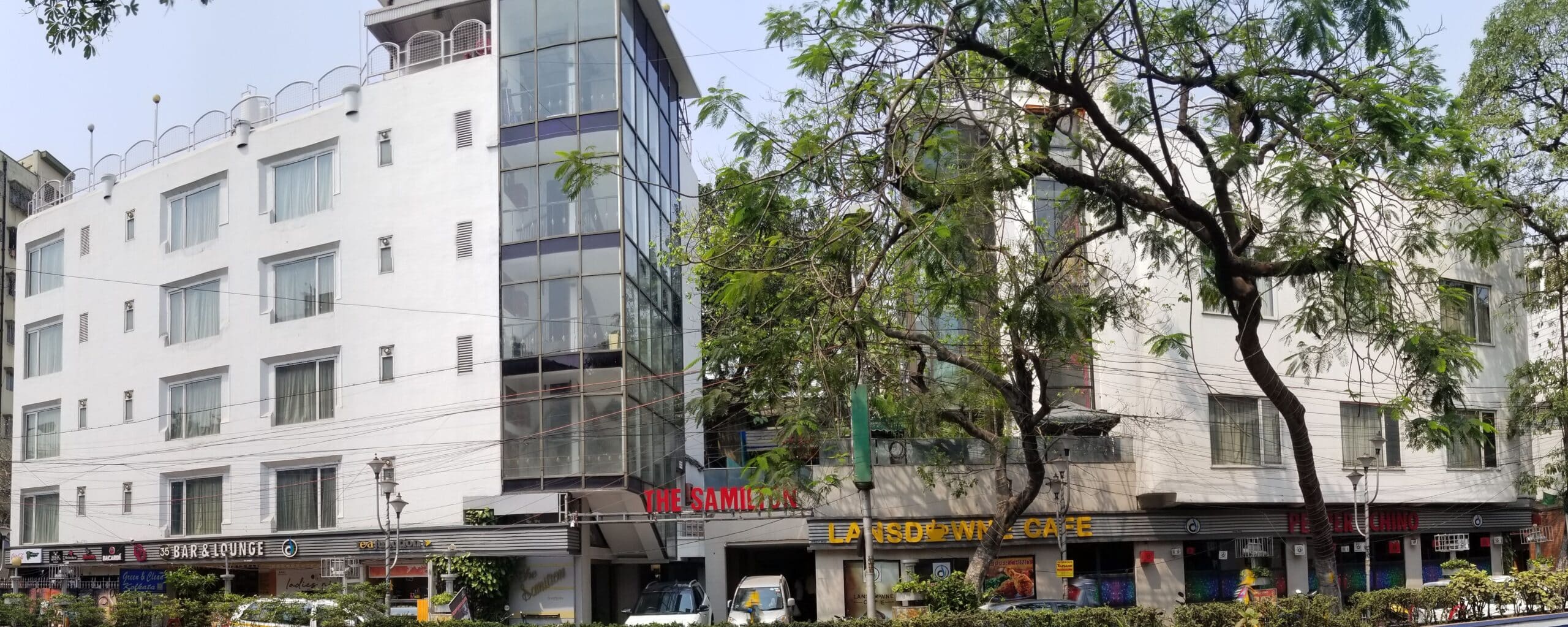
And you don't always have to leave the neighbourhood
Sarat Bose Road & South Kolkata – at your doorstep
You don’t need to cross the city every evening to experience Kolkata. Explore the restaurants, cafés, shops and neighbourhoods around Sarat Bose Road, Bhowanipore and Minto Park, or return to The Samilton for a relaxed evening after a full day of exhibitions.
For a Biennale visitor, that flexibility matters. You can spend your day exploring art across Kolkata and choose whether the evening takes you further into the city or brings you back closer to your base.
Before You Go
Check the official Bengal Biennale programme before your visit for the latest exhibition details, venue information, talks, performances and timings. With the Biennale spread across multiple locations, a little planning will help you make the most of your time in Kolkata.
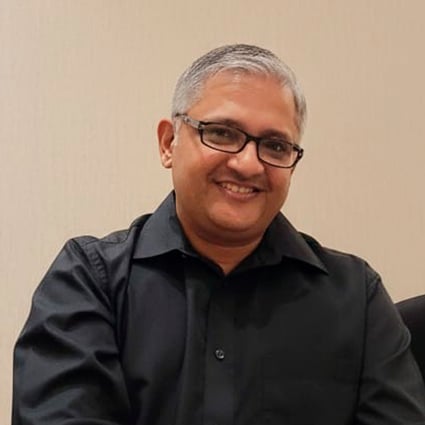
Karan Samtani is the Managing Director of The Samilton Hotel and Roland Hotel, Kolkata. A Certified Public Accountant (USA) with two decades of experience in hospitality and finance, he blends strategic leadership with a passion for service excellence to create lasting guest experiences.
